Filling the Gallery: How Courthouse Turnouts Are Becoming the Most Effective Tool in Men's Civic Organizing
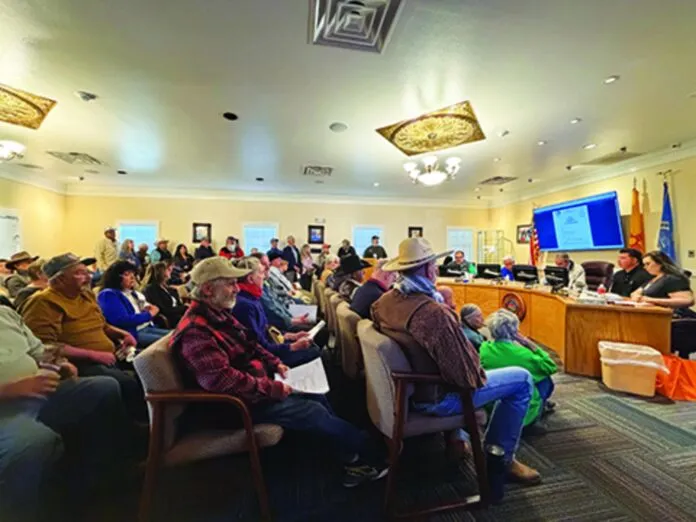
Photo: packed county commission meeting chamber public gallery citizens, via currentargus.com
There is a moment, familiar to anyone who has attended a county commission meeting, when the chairman looks up from the agenda and notices the room. The regulars—the two retirees in the front row, the local reporter scribbling in the third—are still there. But behind them sit forty, eighty, sometimes two hundred men in work boots, scrubs, and safety vests who have never attended a public meeting in their lives. In that moment, the calculus of local government changes.
Organizers have begun calling these gatherings "courthouse surges," and they may be the most underreported civic development of the decade. The premise is simple: most county and municipal decisions are made by boards that answer, ultimately, to attendance. When a gallery fills with constituents, votes shift, tabling motions appear, and negotiations that seemed settled reopen.
Three Counties, Three Lessons
Consider what happened in three very different American communities over the past eighteen months.
In a rapidly growing county outside Boise, Idaho, commissioners were poised to approve a rezoning that would have eliminated access to a popular trail network used by hunters, anglers, and families. A men's outdoors club in the valley spread word through tackle shops and gun ranges—channels that never appear in standard outreach plans. On the night of the vote, more than 300 men filled the chambers and an overflow hallway. The commission split the parcel, preserving public access. The lesson: meet men where they already gather, not where you wish they would.
In central Ohio, the fight was fiscal. A proposed budget line would have shuttered two rural fire stations, lengthening response times in townships that already waited too long. Volunteer firefighters and the men they served organized a turnout that doubled the county's previous attendance record. Commissioners found the money by redirecting capital reserves. The lesson: a surge works best when it pairs bodies with a specific, costed alternative. Anger fills rooms; arithmetic passes budgets.
And in a Georgia county outside Atlanta, the issue was neither zoning nor budgets but representation. A redistricting map would have split a working-class neighborhood across three districts, diluting its voice. Men from three churches and a barbershop association coordinated carpools and childcare, and the gallery held firm through two marathon sessions. The map was redrawn. The lesson: persistence matters more than a single dramatic night. Surges that show up twice are taken seriously; surges that show up three times are treated as a permanent political fact.
The Logistics Nobody Talks About
The romance of a packed gallery obscures the unglamorous work that makes one possible. Organizers who have run successful surges describe a consistent checklist.
First, know the calendar. Public notice requirements mean agenda items are posted days or weeks in advance. A surge requires lead time, and the single most common failure is learning about a vote after it happens.
Second, solve the real obstacles. Men do not skip these meetings because they are indifferent; they skip them because they start at 6 p.m., run long, and offer nothing for a seven-year-old. Successful organizers arrange shift swaps, shared meals, and a corner of the lobby with crayons. One Iowa organizer calls it "removing every reasonable excuse."
Third, prepare the speakers. Most bodies limit public comment to two or three minutes per person. A surge with thirty speakers who ramble is weaker than one with six who are disciplined. Effective groups assign topics in advance, rehearse once, and ensure the first and last speakers are the strongest.
Fourth, stay lawful and respectful. A surge is a demonstration of democratic weight, not intimidation. Organizers coach attendees to applaud only when permitted, follow chamber rules, and treat commissioners and staff with the same courtesy they expect in return. The goal is to be impossible to ignore and impossible to dismiss.
A Playbook for Your County
Any group of men can replicate this model with roughly four weeks of preparation.
Week one: Identify the decision, the exact meeting date, and the vote margin. Read the last three agendas. Find your coalition—coworkers, congregations, leagues, lodges, crews.
Week two: Build the turnout list with named commitments, not vague interest. Ask each man to bring one more. Confirm transportation.
Week three: Prepare remarks, designate speakers, and brief everyone on chamber protocol. Submit any required speaker cards in advance.
Week four: Show up early, fill the room calmly, and follow through afterward—thank notes to staff, a public recap to your network, and a standing commitment to attend monthly meetings, not just the dramatic ones.
The deeper point is larger than any single vote. Local government in America runs on the assumption that most citizens are watching something else. When a million men decide, county by county, to be in the room where decisions happen, that assumption dies. The gallery is not a backdrop to democracy. Used well, it is democracy's loudest instrument.