When Fathers Show Up, Neighborhoods Change: The Quiet Revolution Happening Block by Block
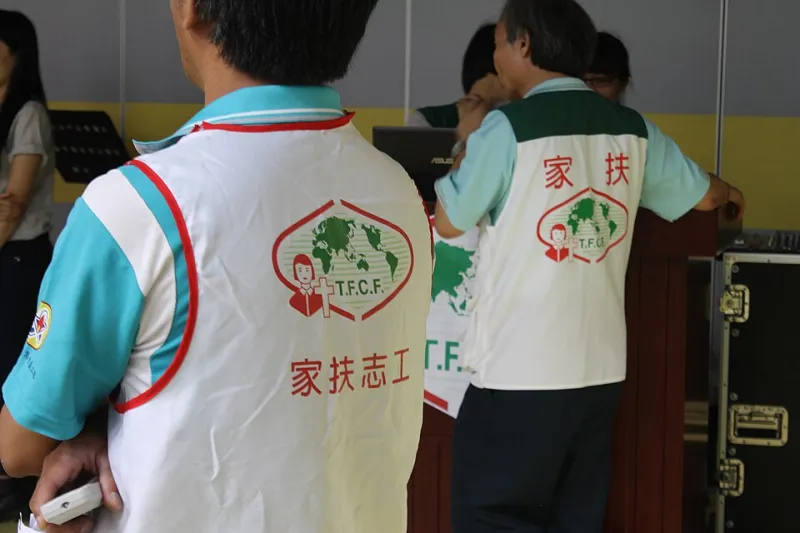
In the spring of 2019, Marcus Delgado began attending every single home game his son's Little League team played in their South Side Chicago neighborhood. By summer's end, he was running the concession stand. By the following spring, he had recruited eleven other fathers, launched a field restoration project, and negotiated a partnership with the local parks department to resurface the diamond. Today, that park hosts three youth leagues and a Saturday morning mentorship program that serves more than 80 children.
Marcus did not run for office. He did not write a single grant proposal. He simply showed up—repeatedly, visibly, and with intention. And his neighborhood is measurably better for it.
His story is not unique. Across the country, fathers who make the deliberate choice to engage beyond the front door are quietly reshaping the civic and social fabric of their communities. The evidence for their impact is mounting, and it demands the attention of every man reading these words.
What the Research Actually Shows
The data on paternal engagement and youth outcomes has grown substantially over the past two decades. A 2020 report from the National Fatherhood Initiative found that children with actively involved fathers are 43 percent more likely to earn mostly A's in school, 33 percent less likely to repeat a grade, and significantly less likely to experience chronic behavioral issues. The Harvard Family Research Project has documented strong correlations between father participation in school activities and improved reading and mathematics performance among elementary-age children.
But the effects do not stop at the individual child. Research published in the Journal of Community Psychology has demonstrated that neighborhoods with higher rates of male civic participation in youth-serving institutions—schools, sports leagues, faith communities, after-school programs—also report lower rates of juvenile delinquency, stronger social cohesion, and greater collective efficacy. In plain terms, when men engage, communities stabilize.
The mechanism is not mysterious. Fathers who are present in community spaces model civic behavior for their children. They create informal networks of accountability. They fill institutional gaps that would otherwise go unaddressed. They normalize male investment in the welfare of children who are not their own—a cultural shift with profound long-term consequences.
The School Engagement Gap—and Why It Matters
Despite the evidence, male participation in K-12 institutions remains stubbornly low. The National Center for Education Statistics has consistently found that mothers are significantly more likely than fathers to attend school meetings, volunteer in classrooms, and communicate regularly with teachers. In single-parent households headed by mothers, the absence of male school engagement is particularly pronounced.
This gap carries real costs. Teachers and school administrators across the country report that male volunteers create a different dynamic in school hallways—one that many students, particularly boys navigating adolescence, respond to with notable attentiveness. Dr. Ivory Toldson, a Howard University professor and former executive director of the White House Initiative on Historically Black Colleges and Universities, has argued that visible male presence in educational settings sends a signal to young men that academic investment is masculine, respected, and worth pursuing.
For the men of this movement, the invitation is clear: your physical presence in a school building is not a small act. It is a statement of values that reverberates through every student who witnesses it.
On-the-Ground Stories of Transformation
In Tucson, Arizona, a group of fathers calling themselves the Desert Dads began attending school board meetings together in 2021, initially motivated by concerns over after-school programming cuts. Within eighteen months, they had formed a recognized community advisory committee, helped restore funding for two extracurricular programs, and launched a reading mentorship initiative pairing male volunteers with third-grade boys who were reading below grade level. Participating students showed an average reading level improvement of 1.4 grade levels over one academic year.
In rural Appalachian Kentucky, a coalition of fathers in a small Harlan County community responded to the closure of a local recreation center by organizing weekend athletic programming out of a church gymnasium. What began as informal basketball sessions evolved into a structured youth sports league serving 120 children across four communities. The men involved report that the process of organizing—scheduling, fundraising, coordinating with local businesses—has deepened their own sense of civic ownership in ways they did not anticipate.
These stories share a common architecture: one man's decision to act, followed by the gradual recruitment of others, followed by institutional change that outlasts any single individual's involvement. That is how movements are built.
The Multiplier Effect: Why Your Presence Recruits Others
One of the most underappreciated dimensions of paternal engagement is its social contagion effect. Research on male civic behavior consistently finds that men are more likely to volunteer, attend community meetings, and join neighborhood organizations when they observe other men doing the same. The barrier to entry is often not motivation—it is the perception that such activities are someone else's domain.
When a father shows up to a school orientation night, he makes it easier for the next father to do the same. When a group of men organizes a neighborhood cleanup, they signal to others that male engagement in community life is normal, expected, and valued. This is the multiplier effect in action, and it is one of the foundational premises of what we are building at Join 1 Million Men.
One million men showing up consistently—in schools, on sidelines, at community board meetings, in youth programs—does not simply add one million individual contributions. It reshapes the cultural expectation of what engaged manhood looks like in America. That is a different order of impact entirely.
What You Can Do This Week
The fathers featured in this article did not begin with grand strategies. They began with a single act of presence. Here is how you can do the same:
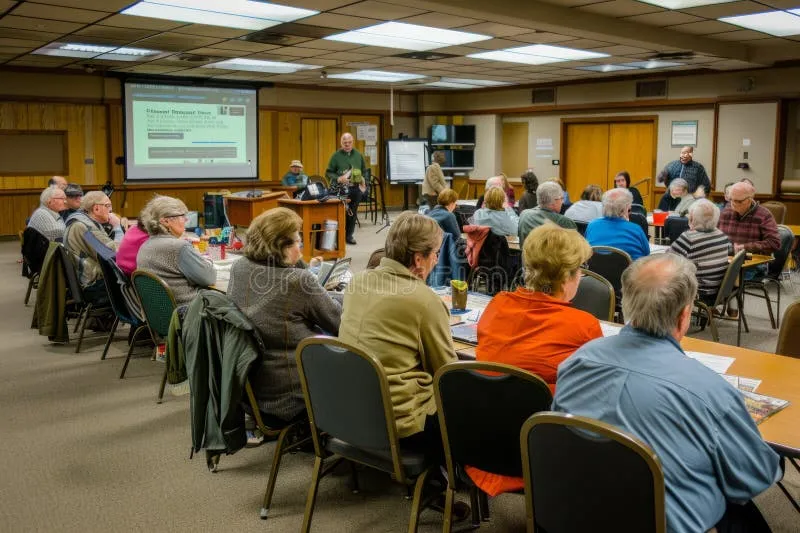
Attend one school event this month. A parent-teacher conference, a classroom volunteer session, a school board meeting open to the public. Go once. Then go again.
Connect with one youth-serving organization in your zip code. Little League chapters, Boys & Girls Clubs, Big Brothers Big Sisters, faith-based youth programs, and public library youth services all actively seek male volunteers. Most require no specialized skills—only your time and reliability.
Bring another man with you. The multiplier effect is not theoretical. Invite a neighbor, a coworker, or a fellow father. Shared action is more sustainable and more visible than solitary effort.
Track what changes. Note what you observe in the spaces where you engage. Document the needs you identify. That information becomes the foundation for organized action.
Marcus Delgado did not set out to transform his neighborhood. He set out to watch his son play baseball. But presence, practiced consistently and extended outward, has a way of becoming something larger than its original intention. That is the quiet revolution unfolding in communities across this nation—one father, one block, one decision to show up at a time.