Save the Halls: Five Vanishing Institutions Where American Men Learned Democracy
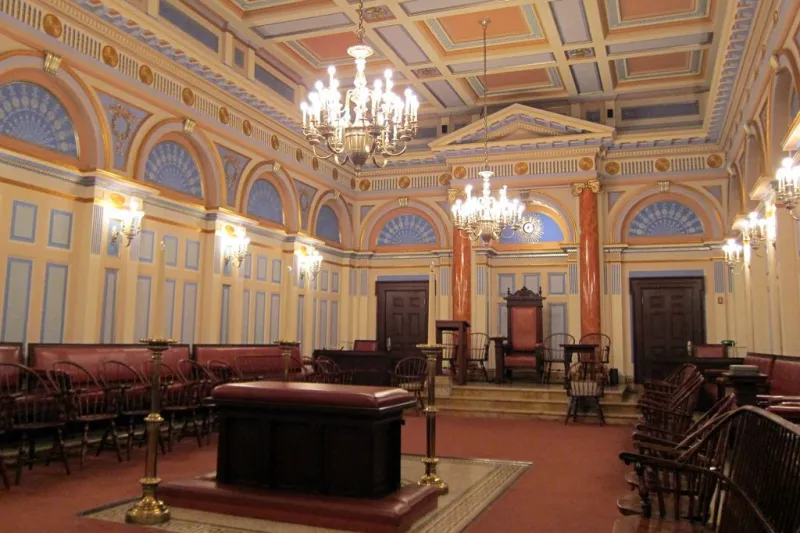
Photo: vintage fraternal lodge hall interior folding chairs meeting room, via i.pinimg.com
Every generation of American men before the current one had a room. Not a group chat, not a subreddit—a room, with folding chairs and a coffee urn and a gavel, where a man could stand up, state his case, get voted down, and come back next month. Those rooms taught skills that no feed can replicate: how to run a meeting, how to lose gracefully, how to disagree with a neighbor on Tuesday and hand him a shovel on Wednesday.
Those rooms are disappearing at a staggering rate. Lodge memberships have fallen for decades. Union density sits at a fraction of its midcentury peak. Rural fire companies beg for volunteers. When the hall goes dark, the civic curriculum it taught goes with it. Here are five institutions worth fighting for, and the concrete steps that keep them alive.
1. The Union Hall
Whatever one thinks of organized labor's politics, the union hall was a schoolhouse of democracy. Rank-and-file members learned Robert's Rules, budget fights, strike strategy, and the discipline of collective action—skills that transferred to school boards and statehouses for generations.
What dies with it: the habit of structured disagreement and the knowledge that working men can govern institutions, not just work within them.
What you can do: If you are in a trade with an active local, attend the meetings—membership meeting attendance is often in the single digits. If not, many central labor councils host public events and community service projects open to non-members. Show up to one this quarter.
2. The Elks, Moose, and Fraternal Lodges
These lodges once anchored nearly every American town, funding scholarships, youth programs, and disaster relief while giving members a place to practice leadership. Their decline tracks almost perfectly with declining trust in community institutions.
What dies with it: intergenerational mentorship and the cross-class mixing of the town—where the pharmacist and the plumber sat at the same table.
What you can do: Lodges survive on new blood and new ideas. Join one, propose a project that fits your community, and volunteer for the committee nobody wants. Revival is rarely a speech; it is usually a man who keeps showing up.
3. The Volunteer Fire Company
In thousands of small towns, the fire company is the last functioning civic institution—and it is in crisis. Recruitment shortfalls have forced mergers, longer response times, and in some places, the end of local service altogether.
What dies with it: the most demanding form of civic training that exists—certified, drilled, accountable service in which your competence matters to your neighbor's survival.
What you can do: You need not run into buildings. Companies need drivers, bookkeepers, grant writers, and fundraisers. If the physical demands are beyond you, the administrative load still is not. Contact your county's fire association and ask what they lack. Then fill it.
4. The VFW and American Legion Post
Veterans' posts are closing as the Greatest and Silent Generations pass, and younger veterans are not replacing them at the same rate. These posts have quietly been among the nation's most reliable civic engines—flag ceremonies, scholarship contests, food drives, and a place where veterans process service together.
What dies with it: the living link between military service and community service, and a support network for veterans that no federal program replaces.
What you can do: If you served, your local post needs you more than it needs your dues. If you did not, the Auxiliary accepts many volunteers, and posts frequently need help with buildings, books, and events. Attend a pancake breakfast. Stay for the meeting.
5. The Grange Hall
The Grange—officially the Order of Patrons of Husbandry—was America's first great rural fraternal order, and its halls still host 4-H meetings, square dances, and zoning-information sessions across the farm belt. Many are down to a handful of aging members keeping the roof patched.
What dies with it: rural civic infrastructure itself. In many counties, the Grange hall is the only public gathering space left that is neither a church nor a bar.
What you can do: Many Granges hold open community memberships. Others need board members, maintenance hands, and renters—yes, booking the hall for your own events keeps it solvent. A hall that hosts things does not die.
The Common Thread
Notice what all five institutions share: none of them require you to agree with everyone in the room. That was always the point. The hall is where a man learns that the neighbor he argues with is also the neighbor who shows up. We cannot rebuild a million-man movement without rooms to meet in. Save the halls, and the halls will train the men.